Differences: TPE vs. Soft PVC
Chemical structure and main properties: key differences between elastomers and plastic resins
Soft TPE: The full name is thermoplastic elastomer, and it falls under the category of "elastomers." Its chemical structure combines both "rigid segments" and "flexible segments."
Rigid segments (such as polystyrene and polypropylene) provide structural strength and allow the material to melt at high temperatures; flexible segments (such as polybutadiene and polyester) provide elasticity, allowing the material to recover its shape at room temperature, like rubber. This dual property of "thermoplasticity + elasticity" allows it to be processed without vulcanization and makes it suitable for recycling.
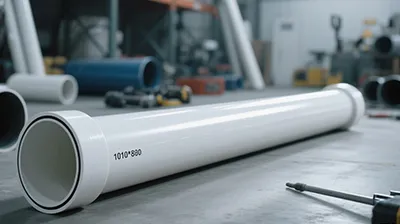
Soft PVC: A "thermoplastic resin," whose chemical structure mainly consists of polyvinyl chloride chains. Although initially hard and brittle, achieving flexibility requires the addition of plasticizers (such as phthalates). Plasticizers are inserted between PVC molecular chains, weakening intermolecular forces and softening the material.
However, plasticizers are not chemically bonded and tend to migrate and be lost over time, leading to hardening and cracking of the material. Additionally, elastic recovery through chemical structure is impossible. Essentially, it is a "plastic material made flexible."
The main applications of soft PVC focus on cost-effective uses with low environmental requirements and short life cycles, such as:
Low-cost everyday items: disposable raincoats, plastic slippers, and cheap toys (not intended for children).
Construction: PVC waterproof membranes and soft flooring (for indoor use, avoid direct sunlight).
Wires and cables: Insulation for ordinary power cables (requires the addition of flame retardants to prevent high-temperature effects).
The main applications of soft TPE focus on uses requiring high environmental protection, high performance, and high comfort, such as:
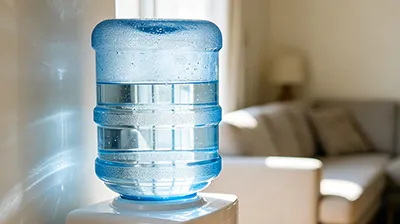
Mother and baby products: baby teethers, pacifiers, and wet wipe lids (require food contact certification).
Consumer electronics: headphone cables, mouse pads, and mobile phone cases (require softness and aging resistance).
Automobiles: car seals, steering wheel covers, and seat armrests (require resistance to high and low temperatures and recyclability).
Medicine: IV infusion tubes and blood pressure cuffs (require biocompatibility and disinfection resistance).
Environmental protection and safety: differences throughout the life cycle, from composition to disposal
Environmental properties are a key factor in material selection, and there are significant differences between these two materials in terms of hazardous substance content and recyclability.
1. Hazardous substance risks
Soft PVC: There are two key risks. First, plasticizer migration: Commonly used phthalate plasticizers (such as DEHP and DBP) can enter the human body through skin contact and respiratory pathways, potentially affecting children's endocrine systems.
The EU's REACH regulation and the US CPSIA strictly limit their use in toys and food-contact materials. Second, combustion/pyrolysis products: PVC contains up to 56% chlorine. When burned, it releases gaseous hydrogen chloride (HCl), which forms hydrochloric acid upon contact with water. This gas can also form dioxins (potent carcinogens). Improper disposal can lead to soil and water contamination.
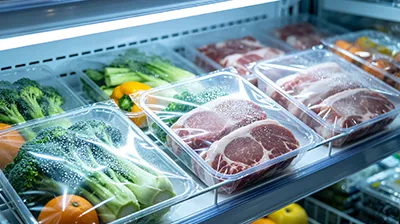
Soft TPE: Major products (such as TPR, TPU, and TPEE) do not contain plasticizers, halogens (chlorine and bromine), or heavy metals, and do not release hazardous substances during processing and use. For example, TPE used in baby teethers must pass FDA food contact certification and comply with the EU's EN 71 toy safety standard. When burned, it releases only carbon dioxide and water, with no toxic gases, aligning with the "green materials" trend.
2. Recyclability
Soft PVC: Recycling is challenging. First, plasticizer migration can significantly degrade the properties of recycled material, requiring the addition of large amounts of plasticizers during secondary processing, which is costly and results in unstable performance. Second, when PVC is mixed with other plastics (such as PE and PP) for recycling, the chlorine content can affect the processing and properties of other materials, easily causing "recycling contamination." Currently, the global recycling rate of PVC is less than 10%.
Soft TPE: It has excellent recyclability. Since it does not require plasticizers, scraps and waste can be directly ground and remelted with minimal property degradation. Some high-purity TPEs (such as TPU) can be "infinitely recyclable," meeting the requirements of a circular economy. It is widely used in industries with recycling demands, such as automotive and electronics.
Our platform connects hundreds of verified Chinese chemical suppliers with buyers worldwide, facilitating transparent transactions, better business opportunities, and high-value partnerships. Whether you're looking for bulk commodities, specialty chemicals, or custom sourcing services, TDD-Global deserves your trust as the first choice.