
ФРС США повышает ставки еще на три четверти пункта на фоне сохраняющейся инфляции
"We are not trying to have a recession, and we don't think we have to," said Federal Reserve Chairman Jerome Powell, while acknowledging that the path to avoiding a recession has narrowed and may narrow further.
The U.S. Federal Reserve on Wednesday raised its benchmark interest rate by 75 basis points, the second-largest increase, as elevated inflation showed no clear signs of easing.
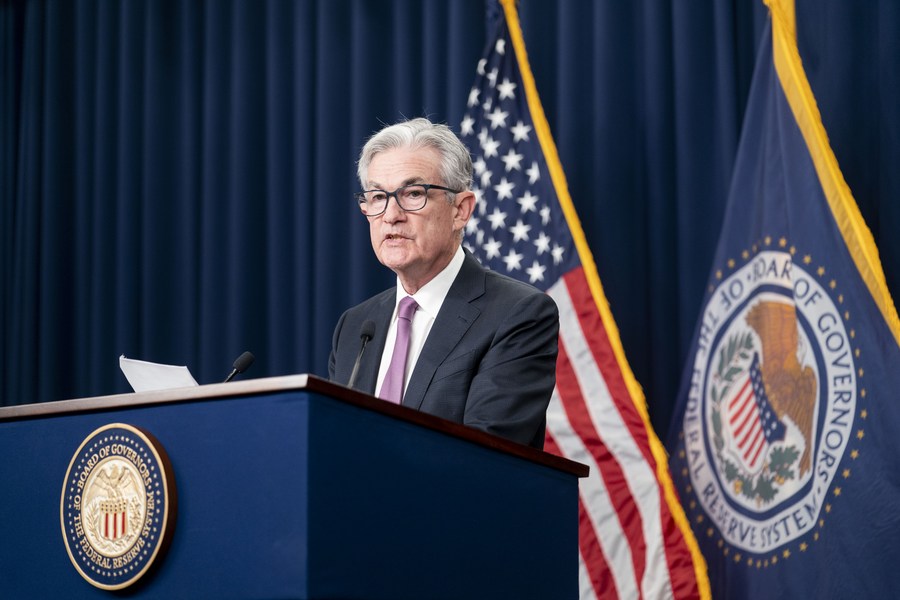
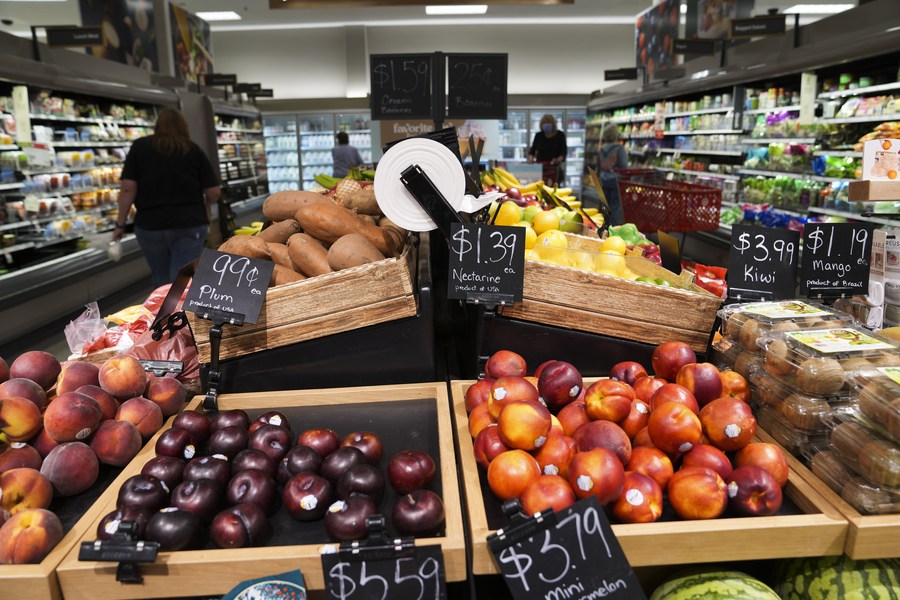
"Inflation remains high, reflecting supply and demand imbalances related to the pandemic, higher food and energy prices, and broader price pressures," the Fed said in a statement following its two-day policy meeting, adding that the central bank "is highly attentive to inflation risks."
"The war (in Ukraine) and related events are creating additional upward pressure on inflation and are affecting global economic activity," the Fed said.
The Federal Open Market Committee (FOMC), the Fed's policymaking body, decided to raise the target range for the federal funds rate to 2.25-2.5% and "anticipates that ongoing increases in the target range will be appropriate."
The statement showed that all 12 Committee members voted for the decision.
The Committee noted that it will also continue reducing its holdings of Treasury securities, agency debt, and agency mortgage-backed securities.
The latest move came after the Fed raised its benchmark interest rate by 75 basis points at its June meeting, marking the sharpest rate hike since 1994. Earlier, the Fed raised rates by 25 basis points in March and then by 50 basis points in May.
The core Consumer Price Index (CPI) has remained above 8% since March this year, a stark reminder that the Fed has a long way to go to bring elevated inflation under control. The CPI rose 9.1% in June from a year earlier, hitting a new four-decade high.
"While another unusually large increase could be appropriate at our next meeting, that decision will depend on the data we receive between now and then," Fed Chairman Jerome Powell said Wednesday afternoon at a press conference.
The Fed chief noted that the current range of 2.25 to 2.5% is what the FOMC considers a neutral level, meaning the Fed's monetary policy is neither accommodative nor restrictive.
"I think the Committee broadly feels that we need to bring policy to a moderately restrictive level," Powell said, referring to the latest quarterly economic projections released in June, which showed the FOMC's median forecast for the federal funds rate at the end of this year at 3.4 percent.
The Fed Chairman dismissed the notion that the U.S. economy is already in a recession, citing the strength of the labor market.
"We are not trying to have a recession, and we don't think we have to," he said, acknowledging that the path to avoiding a recession has narrowed and may narrow further.
According to the Atlanta Fed's GDPNow model updated Wednesday, the U.S. economy is estimated to have contracted by 1.2% annually in the second quarter.
With a 1.6% decline in the first quarter, a second consecutive quarter of negative growth would meet the technical definition of a recession.
Powell told reporters that the Fed sees "two-sided risks" as it continues to fight four-decade-high inflation.
"Doing too much and imposing more of a downturn on the economy than was necessary, but the risk of doing too little and leaving the economy with this entrenched inflation, that only raises the costs (of dealing with it later)," he said.
"We are trying not to make a mistake," he said.
-
长江沿线高端重工装备出海新通道加速成型 Новый морской канал для экспорта высококачественного тяжелого промышленного оборудования вдоль реки Янцзы ускоряет свое формирование.4088
-
«Хайсюн 22» капитан Ван Саньхань: Мой статус в День Народного единства — в сети3354
-
Яньтайский порт открыл новую линейную перевозку генеральных грузов по маршруту «Пэнлай—Индонезия».4132
-
Котировки на рынке продукции из титана (29 сентября)10032
-
Цены на технический углерод упали, сделки исчезли (29 сентября)8725